How to Introduce Retinoids to Sensitive Skin Without Triggering Redness
If you’re looking into retinoids for sensitive skin, the first mistake to avoid is going too strong too soon. That’s usually what triggers the classic mess: stinging, flakes around the nose and mouth, and that tight red look that makes people swear off retinoids forever. Sensitive skin does better with a slow introduction, and that starts with choosing the mildest version that still does something. Think low-strength retinol, retinaldehyde at a modest percentage, or an encapsulated formula designed to release more gradually. Prescription tretinoin can work for sensitive skin too, but it often needs a much more cautious ramp-up and sometimes a dermatologist’s help.
Ignore the crowd that treats skincare like a competition. You do not win anything by starting at 0.5% or 1% if your barrier can’t handle it. A lower strength you can use consistently will beat a stronger one you have to quit after ten days. Look for formulas without a long list of extra exfoliating acids, strong fragrance, or drying alcohols. The simpler the formula, the easier it is to tell what your skin actually tolerates. For a beginner retinoid routine, boring is good.
Use the “Twice a Week” Rule Before You Even Think About Doing More
Here’s the pace that saves a lot of sensitive skin: two nights a week for at least two weeks. Not every other night. Not “whenever you remember.” Two nonconsecutive nights, like Monday and Thursday, so your skin gets recovery time in between. If that goes well, move to three nights a week. Stay there for a while. If your skin starts feeling warm, extra dry, itchy, or looks persistently pink rather than just mildly flushed for an hour, that’s your cue to pause or drop back down.
One pea-sized amount is enough for the whole face. More product does not mean better anti-aging results. It usually means more irritation. Dot it lightly across the forehead, cheeks, and chin, then spread a thin layer. Avoid the corners of the nose, corners of the mouth, and the immediate eye area unless the product specifically says it’s suitable there and your skin has already proven it can cope. Those zones are usually first to revolt. Redness prevention is mostly about respecting dosage and frequency, not buying some miracle “barrier” product after the damage is done.
The Sandwich Method Isn’t Hype if Your Skin Gets Angry Fast
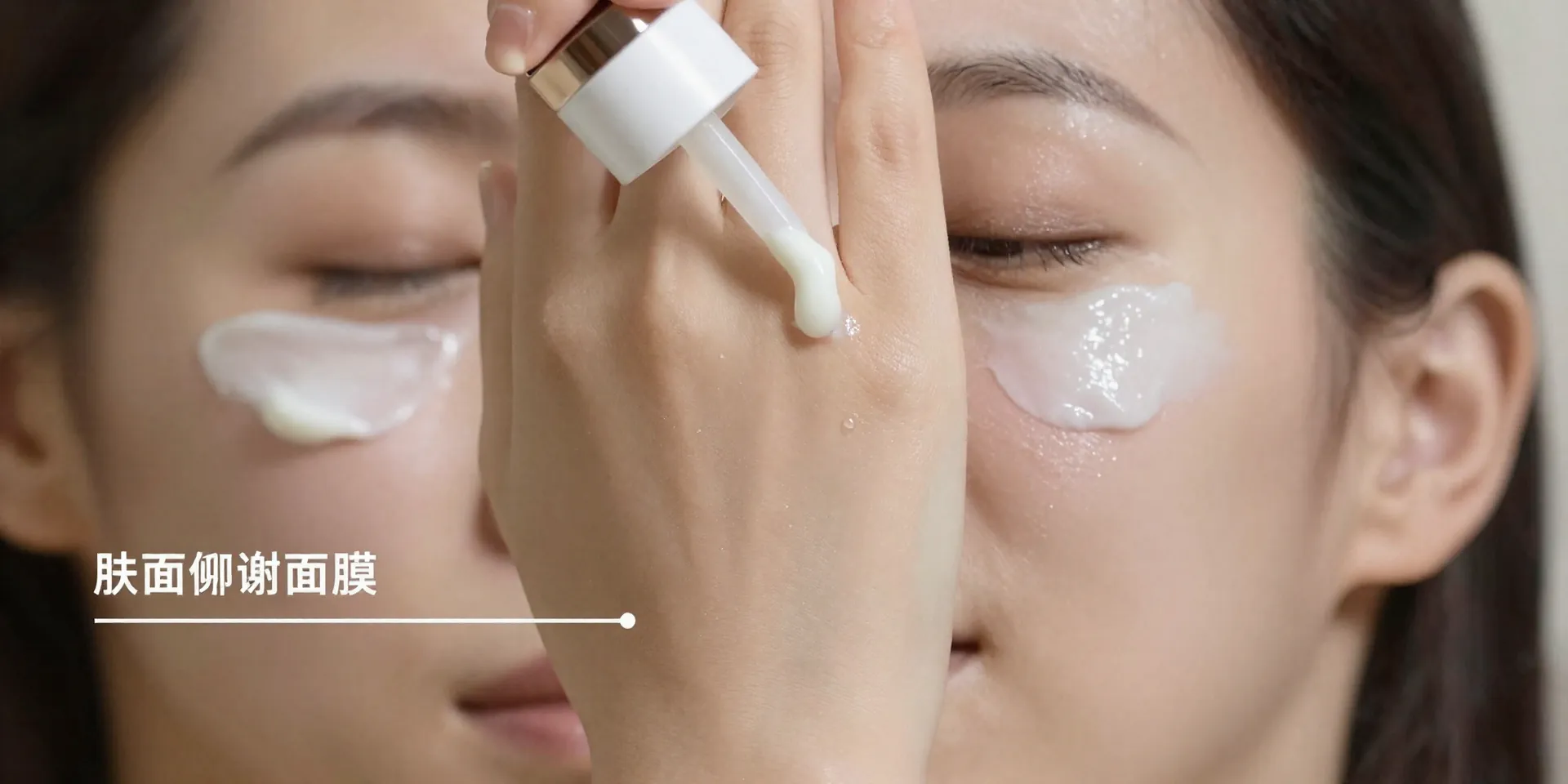
If your skin tends to react to everything, buffering your retinoid is smart, not weak. The sandwich method means applying a plain moisturizer first, then your retinoid, then another thin layer of moisturizer on top. It slightly reduces penetration, which is exactly what many sensitive skin types need in the beginning. You still get the long-term benefits, just with fewer dramatic side effects. And honestly, consistency matters more than brute force.
The moisturizer you pair with your retinoid matters more than people think. Pick one with barrier-supportive ingredients like ceramides, glycerin, squalane, cholesterol, or hyaluronic acid. Skip anything loaded with essential oils, fragrance, or exfoliating acids. On retinoid nights, keep the rest of the routine stripped down: gentle cleanser if needed, moisturizer, retinoid, moisturizer. That’s it. No acid toner, no scrub, no “brightening peel pads,” no experimenting. A beginner retinoid routine fails when people stack too many actives and then blame the retinoid alone.
Know the Difference Between Normal Adjustment and Real Irritation
A little dryness, light flaking, or temporary tightness during the first few weeks can be normal. Angry, persistent burning is not. Neither is deep redness that sticks around, swelling, raw patches, or skin that stings when plain moisturizer touches it. People often hear about the “retinization” phase and assume they should just push through anything. Bad idea. A damaged barrier won’t make your retinoid work better. It just makes your face miserable and delays progress.
If your skin is crossing the line, stop the retinoid for several nights and focus on repair. Gentle cleanser, rich but bland moisturizer, and daily sunscreen. Once your skin feels normal again, restart at a lower frequency. Maybe once a week for a bit. Maybe with the sandwich method if you weren’t using it already. This is also where you should look at the rest of your routine. If you’re using benzoyl peroxide, AHAs, BHAs, vitamin C in a strong acidic form, exfoliating masks, or cleansing brushes at the same time, you may be setting yourself up for redness. Sensitive skin usually likes a clean, predictable routine far more than a crowded one.
Your Morning Routine Matters Just as Much as Your Night Routine
Retinoids don’t make your skin thin, but they can make it more reactive while your skin is adjusting, and sun exposure will absolutely make irritation and redness harder to manage. If you’re serious about anti-aging tips that actually pay off, sunscreen is not optional. Use a broad-spectrum SPF 30 or higher every morning, and be generous with it. A retinoid without sunscreen is a weird half-routine. You’re trying to improve texture and fine lines at night while leaving your skin exposed to the thing that causes a huge chunk of premature aging during the day.
Morning is also the time to baby your barrier. If your skin is dry or easily irritated, you may not even need a cleanser in the morning. Rinse with lukewarm water, apply a gentle moisturizer if needed, then sunscreen. That’s enough. The less friction and chemical noise your skin deals with, the easier it is to tolerate retinoids at night. This is one of those boring habits that works embarrassingly well.
Be Patient Enough to See Results Without Wrecking Your Skin
Most people quit right before the routine starts paying off. They either go too hard and irritate their skin, or they expect a dramatic change in two weeks and decide it’s pointless. Retinoids are a long game. For sensitive skin, that’s even more true. You may need eight to twelve weeks of steady use to notice smoother texture, more even tone, or softer fine lines. That timeline is normal. Slow progress is still progress.
If you want this to stick, judge your routine by tolerance first and visible results second. Can you use it regularly without triggering redness? Good. That means you’re building something sustainable. Once your skin has been calm for a while, you can decide whether to increase frequency or stay exactly where you are. There is no rule that says everyone needs nightly use. Plenty of people with sensitive skin get solid results from two to four nights a week, paired with moisturizer and sunscreen, and never need to push beyond that.